Are you thinking about how to get your dream body? You’re not alone. Many people have trouble with weight loss and body contouring. They often debate between liposuction and a healthy diet.
A healthy diet is a good choice for lasting results. On the other hand, liposuction can quickly target hard-to-reach fat spots. But, which one suits you best? It depends on your goals, health, and daily life.
It’s important to know the differences between these two paths. A healthy diet means big changes in your lifestyle. Liposuction, on the other hand, is a surgery that needs serious thought.
Key Takeaways
- Think about your goals and health when choosing between liposuction and a healthy diet.
- A healthy diet is a lasting, healthy way to lose weight.
- Liposuction is a surgery for getting rid of hard-to-lose fat.
- Understand the lifestyle changes needed for a healthy diet.
- Think carefully about the effects of liposuction surgery.
Understanding Liposuction: What It Is and How It Works
If you’re thinking about liposuction, knowing what it is and how it works is key. Liposuction is a way to lose weight by removing fat from certain body parts. It’s important to have realistic expectations about what liposuction can do.
The Science Behind Liposuction
Liposuction uses suction to take out fat under the skin. The process starts with small cuts in the area you want to work on. A cannula, connected to a suction device, is then inserted. The success of liposuction depends on the surgeon’s skill and the patient’s health.
Types of Liposuction Procedures
There are many liposuction procedures, each with its own features. The right one for you depends on your needs and the surgeon’s advice.
Traditional Liposuction
Traditional liposuction uses a cannula to break up and remove fat. It’s good for taking out a lot of fat.
Laser-Assisted Liposuction
Laser-assisted liposuction melts the fat with a laser before it’s sucked out. This method can lead to less bruising and a faster recovery.
“Laser-assisted liposuction has changed body contouring, providing a less invasive option with great results.”
Target Areas and Limitations
Liposuction can target areas like the belly, thighs, and arms. But, it’s not for obesity or a healthy lifestyle substitute. Knowing liposuction’s limits is key for good results.
The Fundamentals of a Healthy Diet for Weight Loss
Understanding a healthy diet is key for losing weight. A good diet plan helps you reach your weight loss goals and stay healthy.
A healthy diet for weight loss is about making a plan that works for you. It helps you lose fat and keep your muscles strong. It’s all about the basics of losing weight.
Caloric Deficit: The Core Principle
A caloric deficit is the base of any weight loss diet. It means eating fewer calories than you burn, leading to weight loss. You can eat less or move more to create this deficit.
For example, if you need 2,000 calories a day, eating 1,500 can help you lose weight. But, don’t eat too little, as it can cause health problems.
Macronutrient Balance for Effective Fat Loss
Getting the right mix of macronutrients is important for losing fat. This includes proteins, carbs, and fats. Proteins keep your muscles strong, carbs give you energy, and fats help with hormones.
A good diet might have 1.6 grams of protein per kilogram of body weight. You’ll also need 2-3 grams of carbs and 0.5 grams of healthy fats per kilogram. Adjust these amounts based on your needs and how you’re doing.
Sustainable Dietary Approaches
It’s important to make dietary changes that you can keep up with. Two good options are the Mediterranean Diet and Plant-Based Options.
Mediterranean Diet
The Mediterranean Diet focuses on whole grains, fruits, veggies, and healthy fats like olive oil. It’s great for your heart and can help you lose weight.
Plant-Based Options
Plant-based diets are all about eating foods from plants, like fruits, veggies, whole grains, and legumes. They’re full of nutrients and fiber, helping with weight loss and health.
| Dietary Approach | Key Components | Benefits |
|---|---|---|
| Mediterranean Diet | Whole grains, fruits, vegetables, olive oil | Heart health, weight loss |
| Plant-Based | Fruits, vegetables, whole grains, legumes | High in nutrients and fiber, supports weight loss |
Liposuction vs Healthy Diet: The Key Differences
It’s important to know the differences between liposuction and a healthy diet. Both have their own ways to help you lose weight. Choosing the right one depends on your goals.
Timeframe: Immediate Results vs Gradual Change
Liposuction gives you quick results, showing changes in your body right away. A healthy diet, on the other hand, leads to slow weight loss. The time it takes to see results is very different. Liposuction shows changes fast, while dieting takes time and effort.
Target Areas: Precision vs Overall Reduction
Liposuction targets specific areas like the belly, thighs, or arms. A healthy diet, though, helps lose weight all over. This big difference affects your choice. Liposuction is good for spot fat, but dieting is better for overall health.
When picking between liposuction and dieting, think about what you want. Consider your health and goals. Both have pros and cons that need careful thought.
Effectiveness: Short-Term Results Comparison
When looking at weight loss options, it’s key to know how liposuction and diet changes work in the short term. Each method has its own way of helping you lose weight, with different times for seeing results.
Liposuction’s Immediate Impact
Liposuction gives you quick results. You’ll see the full effect once the swelling goes down. It can remove a lot of fat in one go, making it a fast choice for body shaping.
Immediate fat reduction is a big plus of liposuction. It’s great for those wanting a fast change.
Early Stages of Dietary Change
Diet changes lead to slow weight loss. Starting a healthy diet can be tough, but it’s the first step to keeping weight off.
First Month Progress Expectations
In the first month of diet changes, weight loss is slow. Aim for 1-2 pounds a week. That’s 4-8 pounds in a month.
Measuring Success Beyond the Scale
Success isn’t just about losing weight. Better health, more energy, and a better body shape are also key. Tracking changes in body measurements and overall well-being shows how well diet changes are working.
Long-Term Outcomes and Sustainability
Choosing between liposuction and a healthy diet for weight loss is a big decision. It’s important to think about how each option affects your body over time.
Post-Liposuction Body Maintenance
Keeping the results of liposuction means living a healthy lifestyle. This includes regular exercise and eating well to avoid gaining back weight. Liposuction is not a replacement for a healthy lifestyle, but it can help shape your body.
Lifestyle Changes Through Dietary Habits
Healthy eating can lead to lasting weight loss. It means changing your diet for good, eating foods rich in nutrients, and avoiding foods high in calories and fat.
Building Sustainable Eating Patterns
To keep losing weight, you need to stick to healthy eating habits. This includes learning to cook healthy meals and watching your portion sizes.
Preventing Weight Regain
Stopping weight regain takes dedication to your chosen weight loss method. For liposuction patients, it means keeping up with a healthy diet and exercise. For those on a diet, it’s about continuing to eat healthily.
| Aspect | Liposuction | Healthy Diet |
|---|---|---|
| Long-Term Maintenance | Requires healthy lifestyle | Requires ongoing dietary changes |
| Sustainability | Dependent on lifestyle habits | Dependent on continued healthy eating |
Health Implications and Risks
Both liposuction and changing your diet have health risks to consider. It’s important to know the possible complications and benefits. This knowledge helps you make a well-informed choice.
Potential Complications of Liposuction
Liposuction, like any surgery, has risks. Knowing these can help you prepare.
Surgical Risks
Risks include infection, bleeding, and reactions to anesthesia. These can be serious and even life-threatening. Choosing a skilled surgeon can lower these risks.
Recovery Complications
Complications like scarring, swelling, and unevenness can happen. Good care after surgery is key to avoid these. Listening to your surgeon’s advice can help.
Health Benefits and Challenges of Dietary Changes
Eating healthy can lead to weight loss and better health. But, it requires big lifestyle changes and can lead to nutrient deficiencies if not done right.
A balanced diet with many food types is essential. It’s also important to know the challenges of keeping up with diet changes. This helps in reaching and keeping your weight loss goals.
Cost Analysis: Financial Investment Comparison
Looking at the cost of liposuction versus healthy eating is key to making a smart choice. When you think about shaping your body, knowing the money needed is important.
Liposuction Procedure Expenses
Liposuction prices change based on several things. These include the surgeon’s fees, where you are, and how big the procedure is.
Initial Surgery Costs
The first cost of liposuction can be from $2,000 to $8,000 or more. This is a big upfront cost.
Additional Expenses to Consider
There are more costs after the surgery. These include care after surgery, possible problems, and any extra procedures needed. These can make the total cost even higher.
Long-Term Cost of Healthy Eating
Healthy eating, though, means ongoing costs, mainly for food. The weekly cost can change based on what you eat. But, a good diet can save money in the long run by cutting down on health problems.
When you compare the two, think about both the immediate and long-term costs. Your choice between liposuction and healthy eating should be well thought out.
Recovery and Lifestyle Adjustments
Recovery and lifestyle changes are key to success in liposuction and diet changes. Knowing what to expect during recovery is important for a smooth transition.
Post-Liposuction Recovery Period
Your body needs time to heal after liposuction. The first few days after surgery are critical for the best results.
Immediate Aftercare
Resting is important in the first days after surgery. Following your surgeon’s instructions helps avoid complications and ensures a smooth recovery.
Return to Normal Activities
The time to get back to normal varies by procedure and healing rate. Most people can start their daily routines in a few weeks. But, avoid strenuous activities for longer.
Adapting to New Dietary Habits
Changing to a healthier diet can be tough but is key for lasting weight loss.
Overcoming Common Challenges
Cravings for unhealthy foods and staying consistent are common challenges. Planning meals in advance and having healthy snacks helps.
Building a Support System
A support system, like friends or a professional, helps stick to new dietary habits.
“Support is key to making lasting changes,” says a renowned nutritionist.
Psychological Impact of Both Approaches
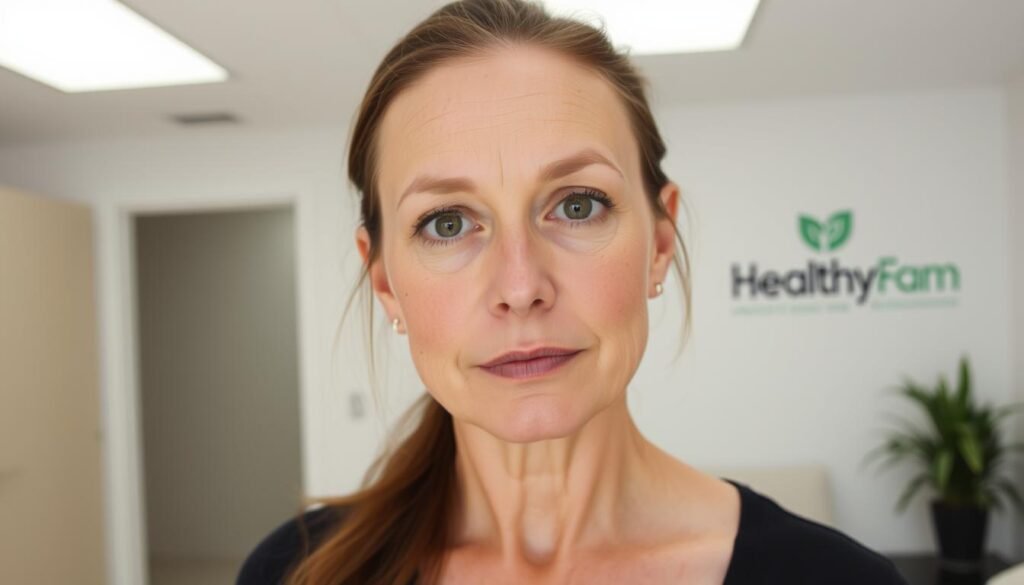
Both liposuction and a healthy diet can deeply affect your mental health. The impact of these methods can change how you see your body and yourself. This can influence your self-esteem and overall mental health.
Body Image After Liposuction
Liposuction can quickly improve how you see your body. But, this change might not always make you feel better about your body. Some people might see their body in a distorted way, even after surgery.
Mental Health Benefits of Healthy Eating
Eating well can greatly improve your mental health. A diet full of nutrients can make you feel happier and more energetic. This can lead to a better overall sense of well-being.
Improved Mood and Energy
Eating foods like fruits, veggies, and whole grains can boost your mood and give you more energy. This is because of the good carbs and fiber that keep your blood sugar steady.
Relationship with Food
Healthy eating helps you have a better relationship with food. By choosing foods that are good for you, you can avoid unhealthy eating habits. A nutrition expert says, “A healthy relationship with food is about balance, variety, and moderation.”
The effects of liposuction and healthy eating on your mind are complex and personal. Knowing these effects can help you choose what’s best for your mental and physical health.
Real Patient Experiences: Success Stories and Challenges
Real patient stories give us a peek into the ups and downs of liposuction and diet changes. By looking at others’ experiences, you can get a clearer picture of what lies ahead. This helps you make a choice that’s right for you.
Liposuction Success Stories
Many people are happy with their liposuction results. They say it has given them a more toned body and boosted their confidence. The main benefits they mention are:
- Improved body proportions
- Enhanced self-esteem
- Motivation to keep a healthy lifestyle
Dietary Transformation Journeys
Those who have changed their diet often talk about better health and happiness. They find that diet changes lead to:
- Sustainable weight loss
- More energy
- A lower risk of chronic diseases
Both paths have their hurdles, but hearing from others can guide you through your own journey.
Ideal Candidates: Who Benefits Most from Each Approach
Choosing between liposuction and dietary changes for weight loss is key. Each method works best for different people. It depends on their body type, specific concerns, and long-term goals.
When Liposuction Makes Sense
Liposuction is great for those close to their ideal weight but have stubborn fat. It’s perfect for areas that don’t budge with diet and exercise.
Body Types and Specific Concerns
People with a normal BMI but uneven fat can benefit from liposuction. Common trouble spots include the belly, thighs, and arms.
Lifestyle Considerations
Your lifestyle affects whether liposuction is right for you. Those with a stable weight and a commitment to health after surgery are best.
When Dietary Changes Are More Appropriate
Dietary changes are best for those who are very overweight or have health issues due to weight. A healthy diet can lead to lasting weight loss and better health.
Health Conditions That Benefit from Diet
Health issues like diabetes and high blood pressure can be managed with diet. Eating well helps keep a healthy weight and lowers disease risk.
Long-Term Goals Alignment
For lasting weight management, diet is often the better choice. A healthy diet is a lifestyle change that supports long-term weight loss and well-being.
| Criteria | Liposuction | Dietary Changes |
|---|---|---|
| Ideal Candidate | Close to ideal weight with localized fat | Significantly overweight or health concerns |
| Primary Benefit | Immediate fat reduction in targeted areas | Sustainable weight loss and health improvement |
| Lifestyle Requirement | Commitment to maintaining a healthy lifestyle | Adoption of long-term healthy eating habits |
Combining Approaches: Can They Work Together?
To get the most out of liposuction, eating well before and after is key. This mix can lead to better and lasting results.

Pre-Liposuction Dietary Preparation
Eating healthy before liposuction can really help. Nutritional balance cuts down on risks and speeds up healing. Eat whole foods and drink plenty of water in the weeks before.
Post-Procedure Nutrition for Optimal Results
After liposuction, a good diet is vital for keeping the results and helping your body heal. Protein-rich foods help with healing, and antioxidants reduce swelling. Always follow your doctor’s diet advice for the best results.
By pairing liposuction with smart eating, you can get a leaner and healthier body.
Expert Opinions: What Medical Professionals Recommend
Experts like plastic surgeons, nutritionists, and dietitians share their views on weight management. They help us decide between liposuction and a healthy diet. It’s important to listen to their advice.
Plastic Surgeons’ Perspective
Plastic surgeons suggest liposuction for those near their ideal weight but have stubborn fat. Dr. Jane Smith, a well-known plastic surgeon, says, “Liposuction works best for people with a stable weight wanting to shape specific body areas.”
The surgery gives quick results. But, doctors stress the need for a healthy lifestyle after the procedure to keep the results.
Nutritionists’ and Dietitians’ Advice
Nutritionists and dietitians push for a healthy diet as the key to weight control. “A balanced diet helps with weight loss and boosts health,” says John Doe, a registered dietitian.
They suggest making lasting diet changes, not quick fixes. They highlight the benefits of eating well for a long time.
| Professional | Recommendation | Key Benefits |
|---|---|---|
| Plastic Surgeons | Liposuction for localized fat deposits | Immediate results, body contouring |
| Nutritionists/Dietitians | Healthy diet for overall weight loss | Long-term weight management, improved health |
Choosing between liposuction and a healthy diet depends on personal needs and goals. Talking to medical experts can offer advice suited to your situation.
Making Your Decision: Key Factors to Consider
Choosing between liposuction and a healthy diet depends on several important factors. It’s key to think about these carefully. This way, you can make a choice that fits your health goals and personal situation.
Personal Health Assessment
Start with a personal health check. Look at your current health, including any medical conditions. Some health issues might make liposuction riskier, while others could be helped by diet changes.
- Review your medical history
- Consider your body mass index (BMI)
- Assess your overall physical health
Goal Setting and Expectations
It’s important to set realistic goals and know what to expect. Liposuction gives quick results but needs a healthy lifestyle after. A healthy diet, on the other hand, leads to slow weight loss and better health.
“Setting realistic goals is key to success, whether you choose liposuction or a healthy diet.”
Consulting with Professionals
Talking to healthcare experts is essential. For liposuction, see a board-certified plastic surgeon to talk about risks and outcomes. For diet changes, a nutritionist or dietitian can help with a personalized plan.
Conclusion
When thinking about losing weight, it’s key to know the pros and cons of liposuction and a healthy diet. Each has its own benefits and drawbacks. You should think about your health, goals, and what you expect before making a choice.
Liposuction gives quick results but comes with risks and costs to consider. A healthy diet, on the other hand, is slower but leads to lasting lifestyle changes and better health.
Choosing between liposuction and a healthy diet depends on your situation. You might even want to try both for the best outcome. Talking to medical experts can give you the advice you need for your weight loss journey.