
Finding balance in your busy life can start with a simple ritual. Adding Herbal Teas to your daily routine is a gentle way to enhance your life. These teas have been a key part of wellness for centuries, helping you relax and recover.
Choosing the best herbal tea for you opens up a world of natural wellness. Knowing the herbal tea benefits helps you make choices that support your health. Whether you need a good night’s sleep or a boost during the day, this natural tea is a clean, effective choice for a healthy lifestyle.
Key Takeaways
- Daily consumption of infusions promotes long-term holistic wellness.
- Natural ingredients provide a safe alternative to processed beverages.
- Consistent habits help reduce stress and improve sleep quality.
- Historical traditions confirm the therapeutic value of these drinks.
- Selecting high-quality ingredients maximizes your health outcomes.
Understanding the Power of Herbal Teas
Did you know most “herbal teas” aren’t really tea? True tea comes from the Camellia sinensis plant. The rest are herbal infusion teas, made from flowers, roots, seeds, or leaves.
Defining Tisane Tea and Caffeine-Free Options
When you make these plant-based drinks, you’re making a tisane. A big plus of tisane tea caffeine is it has no stimulants. This makes caffeine free herbal tea great for staying hydrated without the coffee jitters.
Worldwide, people love these drinks for their unique tastes. In China, herbal teas aim to balance energy. Japan uses roasted grains and forest herbs for longevity. They’re experts at getting nature’s flavors into our cups.
“The true essence of an herbal infusion lies in the harmony between the plant’s natural properties and the water that carries them to your cup.”
The Difference Between Medicinal Tea and Standard Infusions
It’s key to know the difference between a simple drink and a medicinal tea. Standard infusions are for taste and comfort. Medicinal teas aim for health benefits and need careful steeping to release their active compounds.
| Type of Infusion | Primary Purpose | Flavor Profile |
|---|---|---|
| Standard Tisane | Daily enjoyment | Light and aromatic |
| Medicinal Blend | Targeted wellness | Earthy or potent |
| Caffeine-Free Blend | Hydration | Mild and soothing |
Knowing the difference helps you choose better for your health. Whether you want a calming drink or a health remedy, understanding your herbs improves your experience. Always choose high-quality ingredients for the best benefits.
Selecting High-Quality Organic Herbal Tea
Your journey toward better health starts with the quality of your tea leaves. Choosing the right product is key to getting the most health benefits. Premium ingredients mean every sip supports your wellness goals.
Identifying the Best Organic Loose Leaf Tea
When shopping for organic tea, look for vibrant colors and whole leaves. The best organic loose leaf tea should smell fresh and aromatic. Avoid dusty or broken-stemmed products, as they lack quality.
Evaluating Sourcing and Purity Standards
Good tea producers are transparent. Always check the packaging for origin information. Reputable brands share details on their farming, ensuring their organic teas are grown without synthetic additives.
Why Alkaline Herbal Tea Matters
Many seek alkaline herbal tea to balance body pH. While the body regulates itself, these teas support your internal environment. They are known for their soothing effects on digestion.
Checking for Pesticide-Free Certifications
It’s crucial to ensure your organic herbal tea is free from harmful chemicals. Look for official seals from recognized organizations. These guarantees that the plants were grown without synthetic pesticides, making your tea safe to enjoy.
| Feature | Premium Quality | Standard Quality |
|---|---|---|
| Leaf Integrity | Whole, intact leaves | Dust and fragments |
| Aroma | Strong, natural scent | Faint or stale |
| Certification | Certified Organic | No certification |
| Purity | Pesticide-free | Potentially treated |
Preparing the Perfect Cup of Herbal Tea
Transforming dried plants into a soothing drink is easy with a few brewing tips. Getting the preparation right unlocks the full flavor and health benefits of your herbs. Every detail matters to ensure each sip is as intended.
Mastering Herbal Tea Temperature for Optimal Extraction
The right herbal tea temperature is key for getting the most from your herbs. Unlike black teas, many herbal teas do better with water that’s not boiling. Aim for 190°F to 205°F to avoid bitterness.
Step-by-Step Brewing Instructions for Maximum Potency
Follow a set routine for consistent results. Whether it’s a spicy herbal chai tea or a zesty lemon herbal tea, the steps are similar. This helps you refine your taste and enjoy the unique flavors of each herb.
- Start with fresh, cold filtered water for a clean base.
- Measure your loose herbs carefully, typically using one teaspoon per cup.
- Pour the heated water over the herbs and cover to trap oils.
- Let it steep as recommended before straining.
Steeping Times for Delicate Flowers vs. Woody Roots
Each plant part needs different steeping times. Delicate flowers like chamomile or hibiscus release their flavor in about five minutes. But, dense materials like agarwood herbal tea or ginger need longer to extract their deep flavors.
Woody roots like ginger or turmeric need at least ten to fifteen minutes to steep. This longer time lets the water reach the tough fibers. Patience is truly a virtue when brewing these robust ingredients.
Using Proper Water Quality for Better Flavor
The quality of your water greatly affects your tea’s taste. Since water is the main part of your drink, use filtered or spring water for the best tasting hot tea. Tap water with chlorine or minerals can hide the flavors of your herbs.
Don’t use water that’s been re-boiled too many times, as it loses oxygen. Fresh water lets your herbs shine. By focusing on water quality, you make your tea time a special treat.
Herbal Teas for Digestion and Gut Health
A balanced gut is key to your health, and herbal teas can help. When your stomach is upset, the right herbal tea for digestion can offer quick relief. These teas calm your digestive system and help it work better.
Using Ginger Herbal Tea for Nausea and Bloating
Ginger herbal tea is a trusted remedy for stomach issues. It helps your stomach empty faster, easing bloating after big meals. If you get nauseous, this tea can calm your stomach fast.
Peppermint Herbal Tea for Constipation and IBS Relief
Peppermint is a top pick for herbal tea for constipation. Its menthol relaxes your digestive muscles. This is great for those with IBS symptoms.
Incorporating Turmeric Herbal Tea for Anti-Inflammatory Benefits
Turmeric herbal tea adds anti-inflammatory benefits to your day. It’s a key part of a detox herbal tea routine. It soothes your gut lining, supporting long-term health and comfort.
Using Herbal Teas for Respiratory Health and Congestion
Seasonal changes can make breathing harder. Natural teas can help a lot. Drinking herbal tea for respiratory health every day can ease discomfort. These teas are a gentle way to clear your airways and keep them moist.
Herbal Tea for Cleansing Your Lungs
Many seek a natural way to clean their lungs. While no tea is a cure-all, some herbs can help. They loosen mucus and soothe irritated tissues. Drinking these teas keeps your lungs healthy all year.
Thyme Herbal Tea for Coughs and Bronchial Support
Thyme herbal tea is great for a cough. It relaxes the muscles in your bronchial tubes. Drinking it warm opens your nasal passages and soothes your throat.
Utilizing Olbas Herbal Tea Blends for Sinus Relief
An herbal tea by Olbas is good for sinus relief. These blends have essential oils and herbs to clear congestion fast. They’re especially helpful in winter when air is dry and irritants are common.
| Herb/Blend | Primary Benefit | Best Use Case |
|---|---|---|
| Thyme | Bronchial Support | Persistent Coughs |
| Olbas Blend | Sinus Clearing | Congestion Relief |
| Peppermint | Airway Cooling | Sinus Pressure |
| Licorice Root | Throat Soothing | Dry, Scratchy Throat |
Finding Calm with Herbal Relax Tea for Anxiety
In today’s fast world, finding peace can seem like a rare find. Your mind might race with daily tasks, making it hard to relax. A high-quality herbal relax tea can offer a gentle way to calm your mind and find balance.
Chamomile Herbal Tea as a Natural Sedative
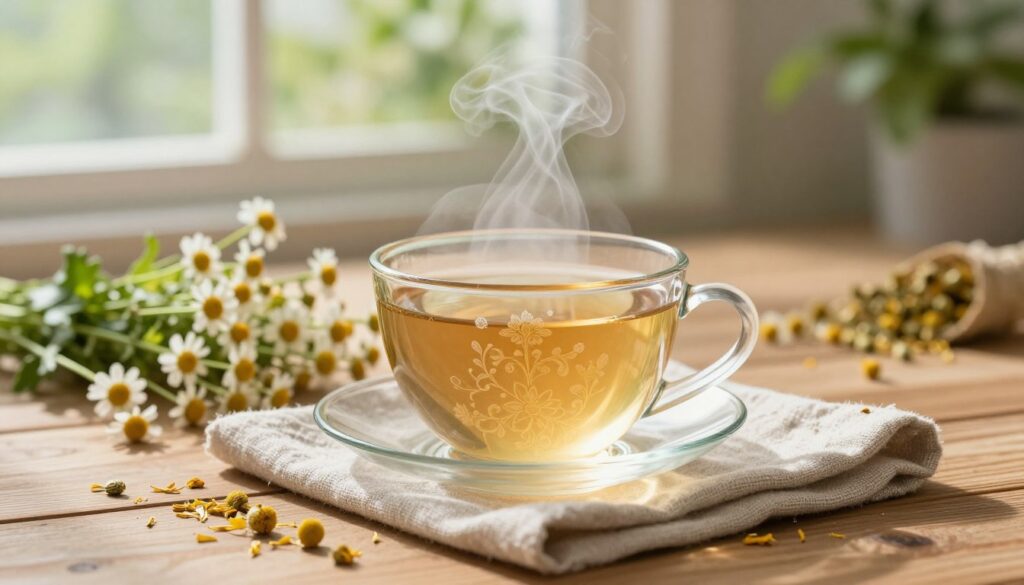
Chamomile herbal tea is known for its calming effects. It has apigenin, which helps your brain relax and sleep better. Choosing this tea is a natural way to calm your nerves before bed.
Herbal Tea for Focus and Stress Reduction
Some teas are more than just calming; they help you stay focused. When you’re feeling stressed, a warm tea can ground you. It lowers stress hormones, helping you stay calm without caffeine’s jitters.
Creating Your Own Evening Ritual for Better Sleep
Creating a bedtime routine is key to better sleep. Dim the lights and put away screens thirty minutes before bed. Making a cup of herbal relax tea during this time helps your mind prepare for sleep.
| Herb Type | Primary Benefit | Best Time to Consume |
|---|---|---|
| Chamomile | Deep Relaxation | Before Bed |
| Lemon Balm | Stress Reduction | Afternoon |
| Passionflower | Anxiety Relief | Evening |
| Lavender | Mood Balancing | Anytime |
Using herbal tea for anxiety regularly can improve your mental health. Choose organic, pure ingredients for the best results. Your journey to calm is just a cup away.
Boosting Focus and Alertness Naturally
Herbal infusions are a smart way to wake up without the coffee jitters. They give you a natural energy boost to improve your thinking. By picking the right herbs, you can keep your mind clear all day.
Herbal Teas That Gently Boost Alertness
Some plants have natural stuff that wakes you up gently. Peppermint and rosemary are great for this. They help you stay sharp during long meetings or study times.
Unlike coffee, these herbs give you a steady energy lift. Your focus stays strong, making tasks easier. Adding them to your morning is a simple way to boost your day.
Managing Caffeine Withdrawal with Herbal Alternatives
Switching from lots of caffeine is tough, but doable with the right tea. A good herbal tea for caffeine withdrawal is perfect for mornings. It’s warm and comforting, without the jitters.
Try teas with dandelion root or chicory for a strong flavor. They fill the need for a hot drink. Slowly switching from coffee helps avoid withdrawal headaches and tiredness.
The Role of Basil Herbal Tea in Mental Clarity
Basil, especially Holy Basil or Tulsi, is great for your brain. Drinking basil tea sharpens your focus and clears your mind. It’s an adaptogen that helps your body handle stress while keeping your mind sharp.
For a reliable tea to focus, basil is a top pick. It gives you calm alertness, perfect for deep work. Drinking it regularly can improve your mental sharpness and mood.
| Herbal Tea Type | Primary Benefit | Best Time to Drink |
|---|---|---|
| Basil (Tulsi) | Mental Clarity | Mid-Morning |
| Peppermint | Alertness | After Lunch |
| Dandelion Root | Caffeine Substitute | Early Morning |
| Rosemary | Memory Support | During Work |
Addressing Specific Health Concerns with Medicinal Herbs
Adding medicinal herbs to your daily life can help with health issues. They don’t replace doctor’s advice but are great herbal remedies for wellness. By picking the right herbs, you can meet your body’s specific needs.
Herbal Tea for Endometriosis Pain Management
Many people look for natural ways to ease chronic pain. Herbal tea for endometriosis pain can help with inflammation and comfort. Some herbs relax muscles and ease pelvic pain.
Always talk to your doctor before trying new herbs. A medicinal herbal tea with anti-inflammatory herbs can be a good addition. Drinking it regularly is key to seeing its benefits.
Exploring Nuvati Herbals The Healer Tea and Other Specialized Blends
High-quality options like Nuvati Herbals The Healer Tea are worth checking out. This blend helps the body heal with a mix of strong herbs. Such teas offer concentrated plant benefits in an easy-to-use format.
Trying different herbal wellness tea blends can help you find what works for you. These teas are made to be both helpful and calming. They’re great for adding balance to your day.
Benefits of Peach Herbal Tea and Fruit-Infused Wellness
Peach herbal tea is not just tasty but also good for you. It’s full of antioxidants that protect your cells. Its sweet taste makes it perfect for staying hydrated.
Fruit-infused teas are a tasty way to support your health without sugar. You can drink them hot or cold, as you like. They’re a delightful way to care for your body and take a break from your busy life.
Best Practices for Storing and Consuming Herbal Teas
Keeping your tea fresh and flavorful is key. High-quality ingredients need to keep their oils and scents.
Maintaining Freshness in Loose Leaf Herbal Tea
To keep your loose leaf herbal tea fresh, store it in an airtight container. Air, moisture, and light can harm your tea quickly.
Store your containers in a cool, dark spot like a pantry. This keeps your herbs strong and flavorful for longer.
Can Herbal Tea Stain Your Teeth?
Many wonder, can herbal tea stain your teeth? Herbal teas are less acidic than coffee or black tea. But, dark teas might stain your teeth.
Rinse your mouth with water after drinking tea. This removes stains and keeps your teeth white.
Incorporating Electrolyte-Rich Teas into Your Daily Routine
Drinking enough water is vital for health. Herbal teas with electrolytes are a natural way to stay hydrated. They’re great for those who are active.
Try a refreshing Hawaiian herbal tea or a zesty Caribbean tea herbal natural herbs spices. They’re tasty alternatives to sugary drinks.
For more knowledge, check out a herbal tea festival. These events are great for meeting others and finding new teas.
Conclusion
Your journey to better health begins with a simple act: brewing a cup of tea. You now know how to pick the best herbs and extract their full benefits.
Adding these natural teas to your daily routine sets the stage for lasting energy. Whether it’s chamomile for calmness or ginger for digestion, they help keep your body in balance.
Try new tea blends from brands like Nuvati Herbals to keep things interesting. Making small changes can lead to big improvements in your health.
Share your favorite teas with friends or family looking for natural remedies. Your dedication to healthy choices is a powerful step towards better health. Begin your next tea ritual today and feel the natural goodness in every sip.