
Fueling your body with the right nutrients boosts your daily energy. A high protein diet gives your muscles what they need to grow and repair.
Good nutrition does more than just fill your belly. It also improves your body shape and helps you recover faster after workouts. Choosing the right ingredients is key to long-term success.
Grasping these basics makes sticking to your health goals easier. Whether you’re an athlete or just want to feel better, eating well is a big difference maker. This guide will show you how to change your eating habits for good.
Key Takeaways
- Nutrition is key to keeping your energy up all day.
- Enough nutrients help your muscles recover faster after exercise.
- A good diet plan makes your body stronger and more toned.
- Sticking to a healthy eating plan is vital for lasting fitness goals.
- Choosing quality foods makes you feel stronger and more alert.
The Science of High Protein Nutrition
To boost your physical performance, you need to understand the science of high protein. Nutrition isn’t just about calories. It’s about giving your body the right tools to perform at its best. Knowing how your body uses nutrients helps you make better choices for your health and fitness.
Why Protein Matters for Fitness
Protein is key for building muscles, tissues, and enzymes. When you exercise, you damage your muscle fibers. Adequate protein consumption helps fix these damages, leading to stronger muscles and growth.
A high protein diet also boosts your metabolism. It burns more energy to digest than fats or carbs. This helps keep your muscles lean and supports fat loss.
Calculating Your Daily Protein Requirements
Finding your protein needs depends on your weight and activity level. Tailor your intake to your training intensity. Here’s a simple guide to get you started:
- Sedentary individuals: Aim for 0.8 grams per kilogram of body weight.
- Active fitness enthusiasts: Target 1.2 to 1.6 grams per kilogram for recovery.
- High-intensity athletes: Consider 1.8 to 2.2 grams per kilogram for muscle growth.
Consistency is key with a high protein diet. Track your intake for a week to see how your body reacts. By following these scientific tips, you can fuel your body for better performance and lasting fitness success.
Essential High Protein Breakfast Strategies
Starting your day with a nutritious meal is key to fueling your body. Eating protein first helps keep your blood sugar stable and prevents mid-morning crashes. Preparing meals ahead of time ensures you stay on track, even when busy.
Preparing High Protein Baked Oatmeal
High protein baked oatmeal is a warm, comforting breakfast option. Adding protein powder or Greek yogurt makes it filling for hours. It’s great for meal prep on Sundays.
Mix dry oats with protein, milk, and fruit. Bake until golden for a treat-like texture. Portion it out for a quick breakfast.
Making a High Protein Egg Bake with Cottage Cheese
A high protein egg bake with cottage cheese is perfect for a savory start. Cottage cheese adds creaminess and boosts protein. It’s a simple way to increase nutrients in one pan.
- Whisk eggs with a cup of cottage cheese.
- Add your favorite chopped vegetables like spinach or bell peppers.
- Bake at 375°F until the center is set and firm.
This method makes a large batch that lasts for days. Consistency is key to fitness goals. Having this ready in your fridge helps you stay on track.
Baking High Protein Blueberry Muffins
High protein blueberry muffins are great for busy mornings. They’re portable and packed with protein. They’re a tasty, healthier option than regular muffins.
Use almond flour or protein powder for a balanced carb count. Fresh blueberries add antioxidants and sweetness. Enjoying a healthy breakfast has never been easier or more satisfying.
Mastering High Protein Lunch Prep
Spending a little time on lunch prep can change your week. It helps you avoid fast food and keeps you on track with your fitness goals. Being consistent is key to good nutrition.
Creating the Perfect High Protein Chicken Salad
A high protein chicken salad is perfect for lunch. It’s filling and you can make it your own. Use lean chicken breast to meet your protein needs.
Try using Greek yogurt instead of mayonnaise for more nutrition. Add fresh veggies like celery and spinach for fiber and crunch. Healthy fats from almonds or avocado keep you full longer. This mix makes your high protein chicken salad a great choice for a busy day.
Utilizing Leftovers for Efficient Meal Planning
Efficiency is key when life gets busy. Cooking extra during dinner saves time. Use leftovers like grilled steak and roasted veggies to make a quick lunch.
It also cuts down on food waste. Seeing dinner leftovers as tomorrow’s lunch makes shopping easier and saves money. This makes meal prep a natural part of your day.
| Strategy | Time Required | Protein Density | Best For |
|---|---|---|---|
| Chicken Salad Prep | 15 Minutes | High | Quick Lunches |
| Dinner Leftovers | 5 Minutes | Moderate-High | Busy Weekdays |
| Bulk Grain Bowls | 20 Minutes | Moderate | Meal Variety |
Energizing High Protein Dinner Concepts
Dinner should be the best part of your day, giving you comfort and the energy your muscles need to heal. After a long day, your body needs a meal that is both restorative and tasty. By choosing nutrient-rich foods, you can make sure your dinner helps your fitness goals without losing flavor.
Cooking with High Protein Alfredo Sauce
Traditional pasta dishes might not keep you full all night. But, you can make your favorite creamy pasta better by using high protein alfredo sauce. This sauce is made from cottage cheese or Greek yogurt, adding lots of protein without losing the creamy feel.
Just mix your base with garlic, parmesan, and a bit of nutritional yeast for a rich taste. This sauce goes great with chickpea or lentil pasta to boost your protein even more. It’s a game-changer for anyone wanting a comforting meal that’s also good for their macros.
Preparing High Protein Buffalo Chicken Dip as a Main
Many see dips as just appetizers, but you can turn a high protein buffalo chicken dip into a filling main dish. By using shredded chicken breast and Greek yogurt instead of cream cheese, you make a protein-rich meal.
Pair this dish with roasted veggies or whole-grain crackers for a well-rounded meal. It’s a smart way to make a family-friendly dinner that’s easy to clean up. This method lets you enjoy bold, spicy flavors while giving your body the nutrients it needs for tomorrow.
Quick High Protein Snacks for Sustained Energy
Keeping your energy up all day is not just about wanting to. It’s about choosing the right snacks. Low-nutrient snacks can make your blood sugar spike and then crash. Opting for snacks rich in nutrients gives your body the consistent fuel it needs to perform well.
Selecting Portable Protein Sources
Having snacks that are easy to grab is key. Look for things that don’t need to be kept cold or are simple to prepare. Jerky, high-quality protein bars, and roasted chickpeas are great for any day.
Hard-boiled eggs are also a good choice. They’re affordable and can be kept in a cooler. These snacks help you avoid unhealthy options when you’re hungry. Preparation is the key to avoiding bad choices.
Combining Protein with Healthy Fats
Adding healthy fats to your protein is a smart move. It makes you feel full for longer. This is because it slows down digestion, giving you a steady and prolonged release of energy.
Try pairing things like almonds with turkey or apple slices with almond butter. These combos offer a good mix of nutrients. They help keep your mood and energy up all afternoon.
Incorporating High Protein Non-Dairy Yogurt and Dairy Alternatives
Switching to a plant-based diet doesn’t mean you lose out on protein. Many athletes and fitness fans find that high protein non dairy yogurt is great for muscle support.

Benefits of High Protein Non-Dairy Yogurt
Choosing the right dairy alternative is key for recovery and energy. A good high protein non dairy yogurt uses pea, soy, or almond protein for a full amino acid profile.
These yogurts are incredibly versatile for your daily meals. Mix them with berries, seeds, or nuts for a nutritious breakfast that lasts.
Integrating Plant-Based Proteins into Your Diet
Getting enough protein without animal products takes some planning. You need to mix different sources to get all the nutrients your body needs.
Here are some ways to increase your protein intake:
- Legumes and Pulses: Add lentils and chickpeas to salads or soups for extra protein and fiber.
- Seeds and Nuts: Sprinkle hemp hearts, chia seeds, or pumpkin seeds on your meals for healthy fats and protein.
- Fortified Alternatives: Choose plant-based milks and yogurts fortified with pea or soy protein isolates.
By trying different foods, you keep your energy levels up all day. Always check the labels to make sure they fit your fitness goals and dietary needs.
Creative Ways to Use High Protein Bagels and Breads
Keeping fit doesn’t mean giving up your favorite baked goods. Smart choices can make a big difference. Opt for nutrient-dense breads and bagels to boost your daily intake.
Selecting Thomas High Protein Bagels
When shopping, look for high protein bagels. Thomas high protein bagels are great for a protein-packed breakfast. They give you the energy you need for workouts.
Always check the nutrition label. A high protein bagel helps meet your daily protein needs. This simple change makes sticking to your diet easier during a busy week.
Building a Balanced High Protein Bagel Sandwich
To make a muscle-building meal, start with lean protein. Add sliced turkey, grilled chicken, or a hard-boiled egg. These provide the amino acids your body needs.
Then, add fresh greens like spinach or cucumbers. They add volume and important nutrients. Finish with a healthy spread like avocado or Greek yogurt. This way, you get a meal that’s both tasty and nutritious.
Developing Your Own High Protein Cookbook Routine
Creating a varied diet is key to avoiding boredom and getting all the nutrients you need. Organizing your favorite meals into a high protein cookbook makes healthy eating easy. It turns it into a natural part of your day, not a task.
Curating Your Personal High Protein Cookbook
Begin by collecting your top recipes in one spot. You might choose a digital app, a spreadsheet, or a binder. The goal is to have your high protein cookbook ready when you plan your meals.
Sort your recipes by meal type or prep time to save time on busy days. This way, you can quickly find meals that fit your schedule and needs. This organization is the key to lasting success in your fitness journey.
“Consistency is the bridge between goals and accomplishment. When your meals are planned and ready, you remove the friction that leads to poor choices.”
Testing New Recipes for Variety
Trying new recipes helps you discover new tastes while keeping your protein intake up. Set aside one day a week to try a new dish from your high protein cookbook. If you like it, keep it; if not, try something else.
Keep track of what you like and don’t like. This helps you improve your collection over time. Use the table below to see how different meal planning strategies can help you.
| Method | Time Required | Variety Level | Sustainability |
|---|---|---|---|
| Batch Cooking | High | Low | High |
| Theme Nights | Medium | Medium | High |
| Recipe Testing | Low | High | Medium |
By sticking to this routine, your nutrition stays dynamic and fun. A well-organized collection of recipes is the best tool for anyone serious about their health.
Tips for Balancing Macros in Your High Protein Diet
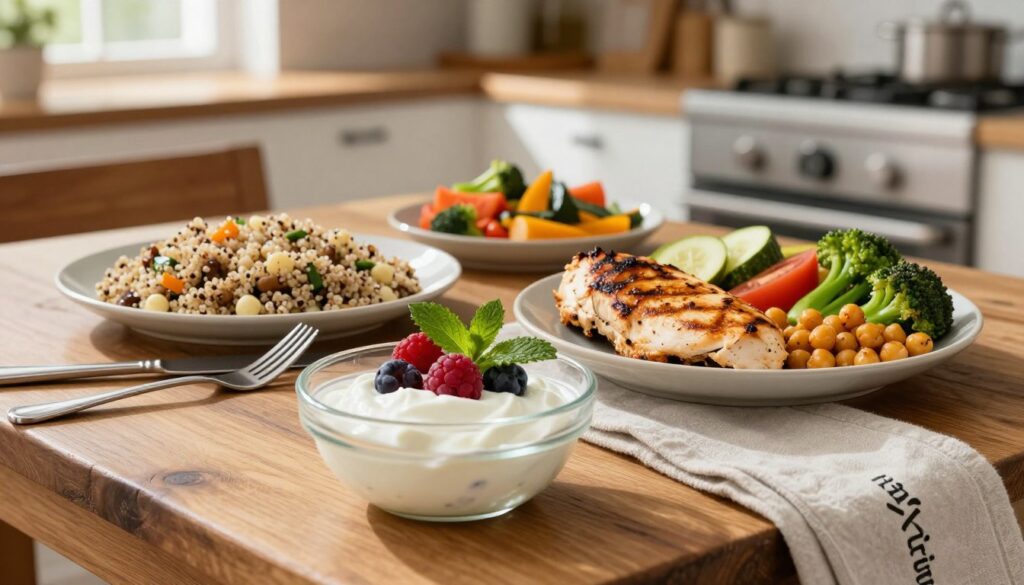
Getting the right balance of macros is key to a high protein diet’s success. Protein is vital for muscle repair, but carbs and fats are also important. They give you energy and help with hormones. The right mix keeps you feeling great all day.
Understanding Carbohydrate and Fat Ratios
Carbs and fats are fuel that work with protein. Carbs give you energy for hard workouts. Healthy fats help you stay full and support your brain.
Focus on complex carbs before your workout. Spread out healthy fats throughout the day. Consistency is key to finding the right amounts for you.
Adjusting Macros Based on Training Intensity
Your diet changes with your workout intensity. On tough days, you need more carbs to refill glycogen. On rest days, cut carbs and add healthy fats.
This flexible diet helps you perform better without overeating. Watch your energy and recovery to adjust your high protein plan for your fitness goals.
| Activity Level | Protein Focus | Carb Strategy | Fat Intake |
|---|---|---|---|
| Sedentary | Moderate | Low | Moderate |
| Moderate Training | High | Moderate | Moderate |
| High Intensity | High | High | Low to Moderate |
Common Pitfalls When Increasing Protein Intake
Adding more high protein sources to your diet is a good goal. But, you need to do it carefully to avoid problems. Your body needs the right amount of food to stay healthy. Sudden changes in what you eat can cause issues.
Knowing these possible problems helps you make changes safely. This way, you can enjoy the benefits of more protein without trouble.
Avoiding Digestive Issues
Starting a high protein diet can sometimes upset your stomach. Your body might find it hard to digest all the extra protein. This can cause bloating or feeling slow.
To avoid this, increase your intake gradually. Don’t change your diet too much at once. It’s also good to eat foods high in fiber with your protein. This helps your digestion stay smooth.
If you’re feeling uncomfortable, try eating protein more evenly throughout the day. This can help your body adjust better.
Ensuring Adequate Hydration
Drinking enough water is key when you’re eating more high protein. Your body breaks down protein and makes waste that your kidneys need to filter. Drinking water helps your kidneys work well and process this waste.
As you eat more protein, drink more water too. Staying hydrated helps your body and keeps your energy up, even when you’re working out hard. If you’re having trouble drinking enough, keep a water bottle with you. It’s a good reminder to drink more.
| Potential Pitfall | Primary Cause | Recommended Solution |
|---|---|---|
| Digestive Bloating | Sudden increase in protein | Increase intake gradually |
| Kidney Strain | Insufficient water intake | Increase daily fluid volume |
| Metabolic Sluggishness | Lack of fiber balance | Add more plant-based fiber |
| Nutrient Imbalance | Focusing only on protein | Track macros for variety |
High Protein Meal Ideas to Boost Your Energy and Fitness
Starting a high protein lifestyle needs a plan that fits your life. Being consistent is key to improving fitness through better eating. Stay organized and proactive to keep up your habits and see energy boosts.
Customizing Your Weekly Meal Plan
Your meal plan should match your likes and daily life needs. A strict plan can lead to burnout. Aim for flexibility while hitting your protein goals. Here are ways to make a routine that suits you:
- Batch cook your main proteins on Sunday to save time later.
- Have a list of quick-assembly meals for busy days.
- Change up your favorite recipes to avoid food boredom.
“Success is the sum of small efforts, repeated day in and day out.”
Plan your week with a structured meal prep schedule. This keeps your meals varied and protein-rich.
| Meal Type | Preparation Strategy | Key Benefit |
|---|---|---|
| Breakfast | Overnight prep | Saves morning time |
| Lunch | Container assembly | Prevents unhealthy choices |
| Dinner | Fresh cooking | Maintains meal quality |
Tracking Progress and Adjusting Goals
It’s important to track how your body reacts to new eating habits. Watch your weight, energy, recovery, and workout performance. Data-driven decisions help you adjust as your body changes.
If your energy drops, you might need to balance your carbs and proteins. If you want more muscle definition, adjust your portion sizes. Listen to your body and be ready to tweak your plan for the best fitness results.
Conclusion
Reaching your fitness goals means eating well every day. You now have the tools to make a meal plan that fuels your body. This plan supports your active lifestyle.
Choosing nutrient-rich foods helps you meet your protein needs and enjoy your meals. Making small changes in your kitchen can greatly improve your performance and energy.
Being consistent is key to long-term success. Tailor your meal plan to your taste and fitness level. Tracking your progress shows how these changes benefit your health.
Begin using these tips in your daily routine. Your commitment to healthy eating will help you achieve new health milestones.